 By Devin Kyle
Medical interventions, surgical procedures, and acute clinical treatments receive the vast majority of public attention in modern healthcare. When an individual suffers a severe injury, undergoes major surgery, or battles a complex physical condition, the primary focus is almost always placed on the initial life-saving or corrective procedure. However, surviving or fixing a medical crisis is only the first step of a much longer journey. True healing and the restoration of long-term health rely heavily on what happens after the acute intervention concludes.
Rehabilitation serves as the critical bridge between surviving a medical crisis and reclaiming a high quality of life. Whether dealing with orthopedic trauma, neurological damage, cardiovascular events, or substance dependence, structured rehabilitative care transforms temporary medical stabilization into lasting recovery. Without a comprehensive rehabilitation protocol, patients frequently experience prolonged weakness, chronic pain, secondary complications, and a high rate of relapse or re-injury.
Understanding the True Scope of Rehabilitation
Rehabilitation is not a passive waiting period for natural healing to occur. It is an active, highly structured, and multi-disciplinary process designed to restore physical, cognitive, psychological, and social functioning. When a major medical event disrupts normal bodily systems, your anatomy undergoes profound changes. Muscles atrophy, neural pathways become severed or dormant, joint capsules tighten, and psychological trauma takes root.
A professional rehabilitation program approaches recovery from a holistic standpoint. It brings together physical therapists, occupational therapists, speech-language pathologists, counselors, and medical doctors to create an integrated roadmap tailored to the specific needs of the individual. This targeted approach retrains the body and mind, helping patients adapt to altered physical realities and regain their independence.
Core Components of Effective Rehabilitation Programs
Successful rehabilitation relies on specific pillars that address different dimensions of human recovery.
Physical Restoration and Movement Re-Education
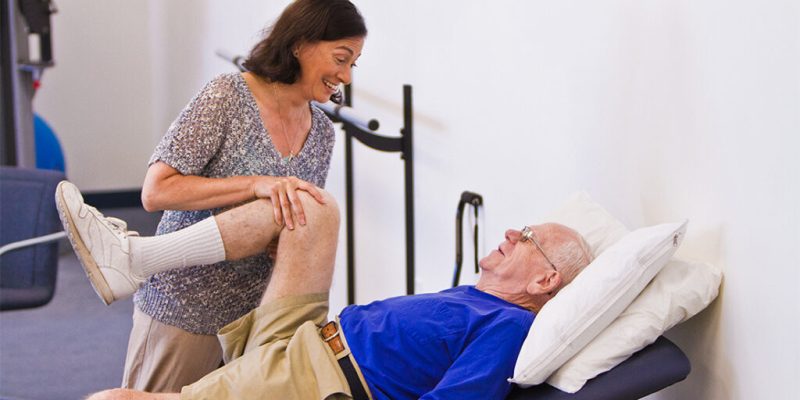
Physical rehabilitation focuses heavily on rebuilding strength, joint mobility, cardiovascular endurance, and neuromuscular coordination. Following orthopedic surgery or severe trauma, scar tissue formation and prolonged immobilization can severely restrict movement. Therapists utilize progressive loading, targeted stretching, and specialized movement patterns to break down adhesions, stimulate tissue remodeling, and re-establish proper biomechanics.
Neurological Plasticity and Cognitive Retraining
When the brain or spinal cord suffers damage from strokes, traumatic injuries, or neurological disorders, recovery depends on neuroplasticity. This is the remarkable ability of the central nervous system to reorganize itself by forming new neural connections around damaged areas. Structured cognitive and physical therapies provide the repetitive, focused stimulation required to forge these new pathways, enabling patients to relearn basic motor skills, speech patterns, and cognitive functions.
Psychological Support and Emotional Resilience
A major medical event or chronic physical setback inflicts a heavy psychological toll. Depression, anxiety, and frustration are common among individuals facing long recovery timelines. Psychological counseling integrated into rehabilitation helps patients process grief, build emotional resilience, and maintain the mental fortitude necessary to push through difficult physical therapy sessions.
Actionable Strategies to Maximize Your Recovery Outcomes
Navigating a rehabilitation program requires active participation, patience, and strategic habits to ensure steady progress.
-
Commit to Consistent Attendance: Consistency is the single most important variable in rehabilitation. Skipping therapy sessions stalls neuromuscular adaptation and delays tissue healing.
-
Follow Home Exercise Protocols: Rehabilitation does not end when you leave the clinic. Diligently performing prescribed home exercises maintains momentum between professional appointments.
-
Communicate Pain and Limitations Accurately: Providing honest feedback to your therapy team regarding pain levels helps them adjust your program intensity safely without triggering flare-ups.
-
Prioritize Sleep and Proper Nutrition: Tissue repair and neural adaptation demand adequate raw materials and rest. High-protein nutrition and deep sleep accelerate physical restoration.
Frequently Asked Questions
What is the difference between physical therapy and comprehensive rehabilitation?
Physical therapy focuses primarily on musculoskeletal strength, joint mobility, and physical movement. Comprehensive rehabilitation is a much broader, multi-disciplinary approach that encompasses physical therapy alongside occupational therapy, speech pathology, psychological support, and lifestyle modification to ensure total patient recovery.
Can rehabilitation help older adults regain independence after a major fall or surgery?
Yes. Geriatric rehabilitation is specifically designed to restore balance, lower-body strength, and functional mobility in older adults, significantly reducing the risk of subsequent falls and allowing seniors to maintain independent living arrangements.
How do therapists measure progress during a long-term rehabilitation program?
Therapists utilize objective measurement tools such as range-of-motion goniometers, strength dynamometers, standardized functional scoring scales, and gait analysis to track improvements and modify treatment plans as the patient advances.
What role does occupational therapy play in medical rehabilitation?
While physical therapy focuses on body mechanics and movement, occupational therapy helps patients master the practical, everyday activities required for independent living, such as dressing, cooking, bathing, and navigating a workplace environment.
Why do some patients experience a temporary increase in soreness during rehab?
Introducing new physical demands, challenging weakened muscle groups, and breaking down restrictive scar tissue naturally causes delayed onset muscle soreness. This temporary discomfort is a normal part of the tissue remodeling process, provided it does not cross into sharp, structural joint pain.
How does early intervention impact the ultimate success of rehabilitation?
Beginning rehabilitative care as soon as a patient is medically stable prevents the rapid onset of muscle atrophy, joint contractures, and secondary complications, drastically shortening the total timeline required for a full recovery.